
Quick answer. Sunderkand is the fifth book of the Ramcharitmanas, recited traditionally for protection, courage and the removal of obstacles. Along with the Hanuman Chalisa it is performed as a household path, commonly on a Tuesday or Saturday, with the family taking part throughout.
A recitation for the household
Sunderkand recounts Hanuman's journey to Lanka and his finding of Sita — a story about courage, service and doing what appeared impossible. It is the section of the Ramcharitmanas most often recited on its own, traditionally for protection, for courage during a difficult period, and for the clearing of obstruction.
The Hanuman Chalisa, forty verses by Tulsidas, is the shorter and more familiar recitation, and is very widely held as a daily practice. Both are associated with Hanuman, and both are traditionally recited on Tuesdays and Saturdays, the days associated with Mars and Saturn.
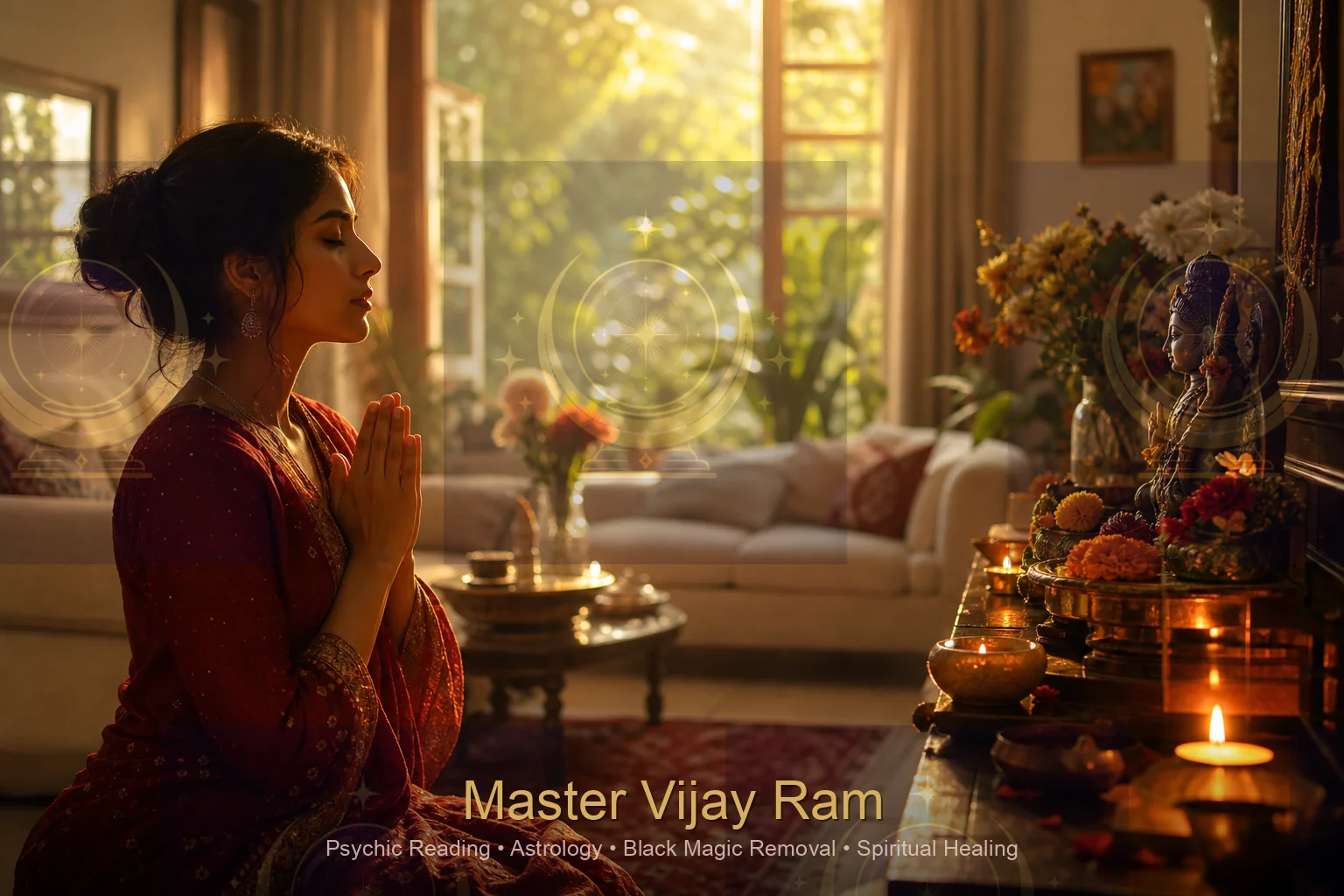
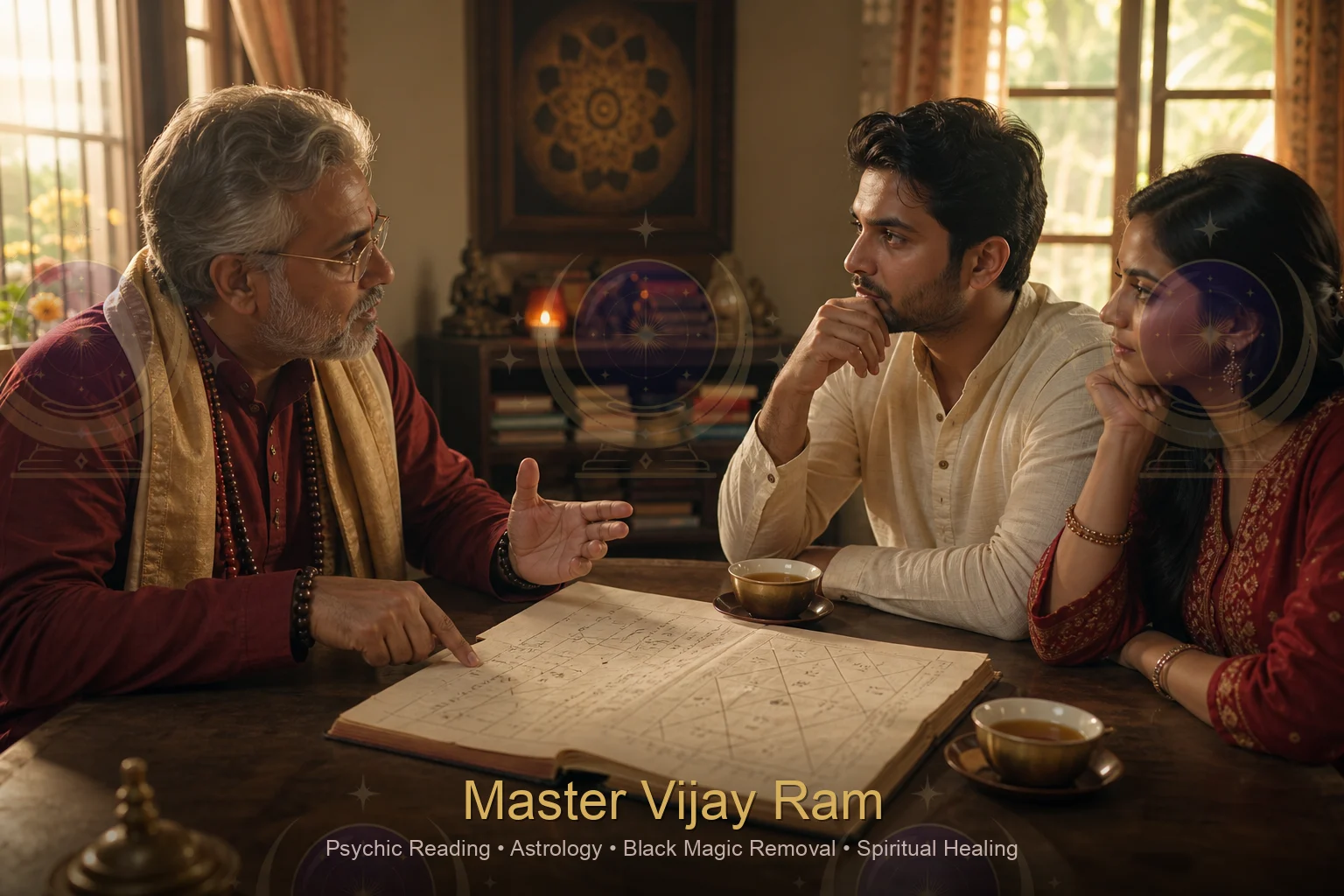
What distinguishes a path from most of the observances on this site is that it is collective. The household gathers, the recitation is led, and everyone joins in as much as they are able. A full Sunderkand path takes around two to three hours; the Chalisa alone takes minutes. Families often hold one after moving house, before a wedding, during a legal difficulty, or simply annually as a household observance.
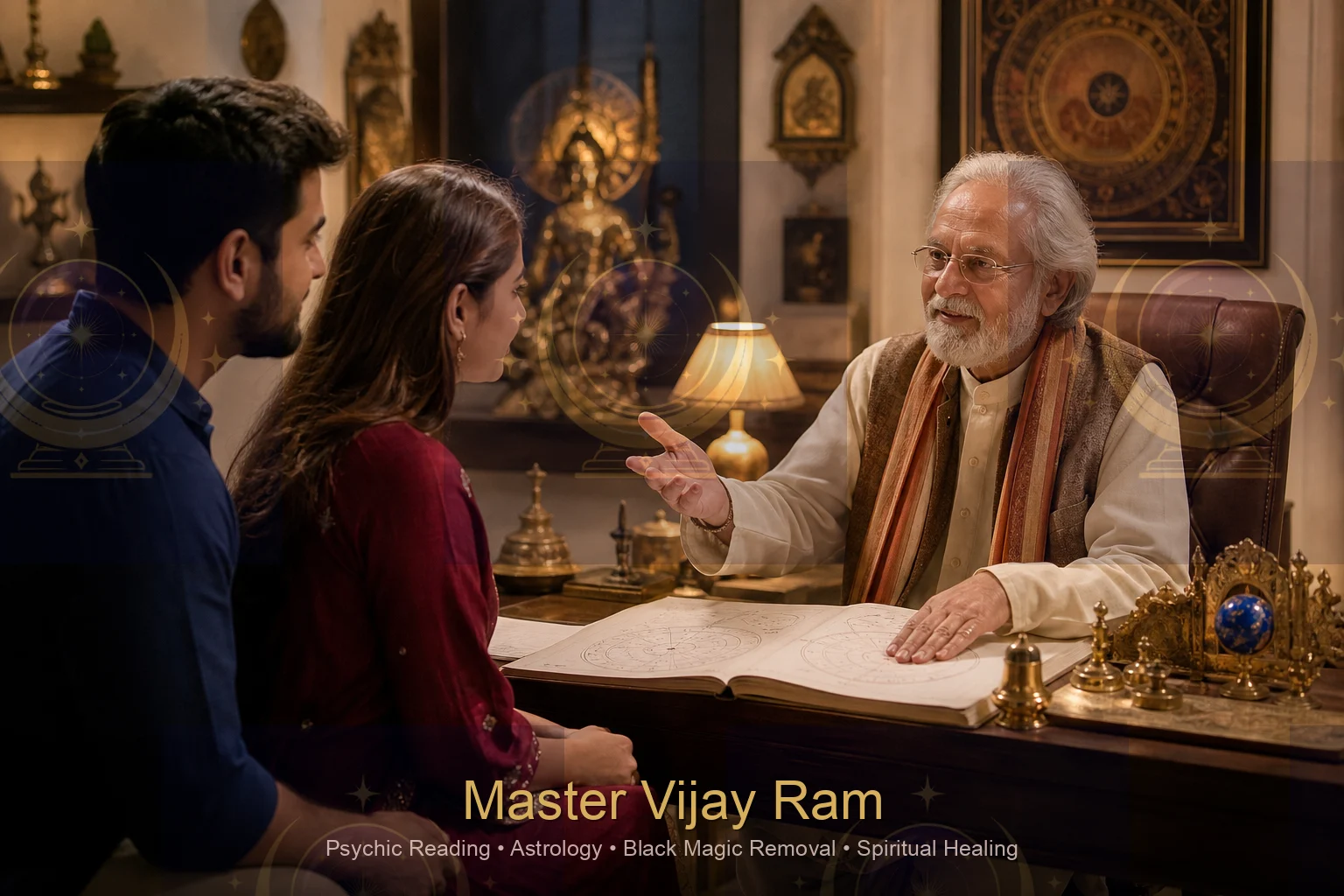
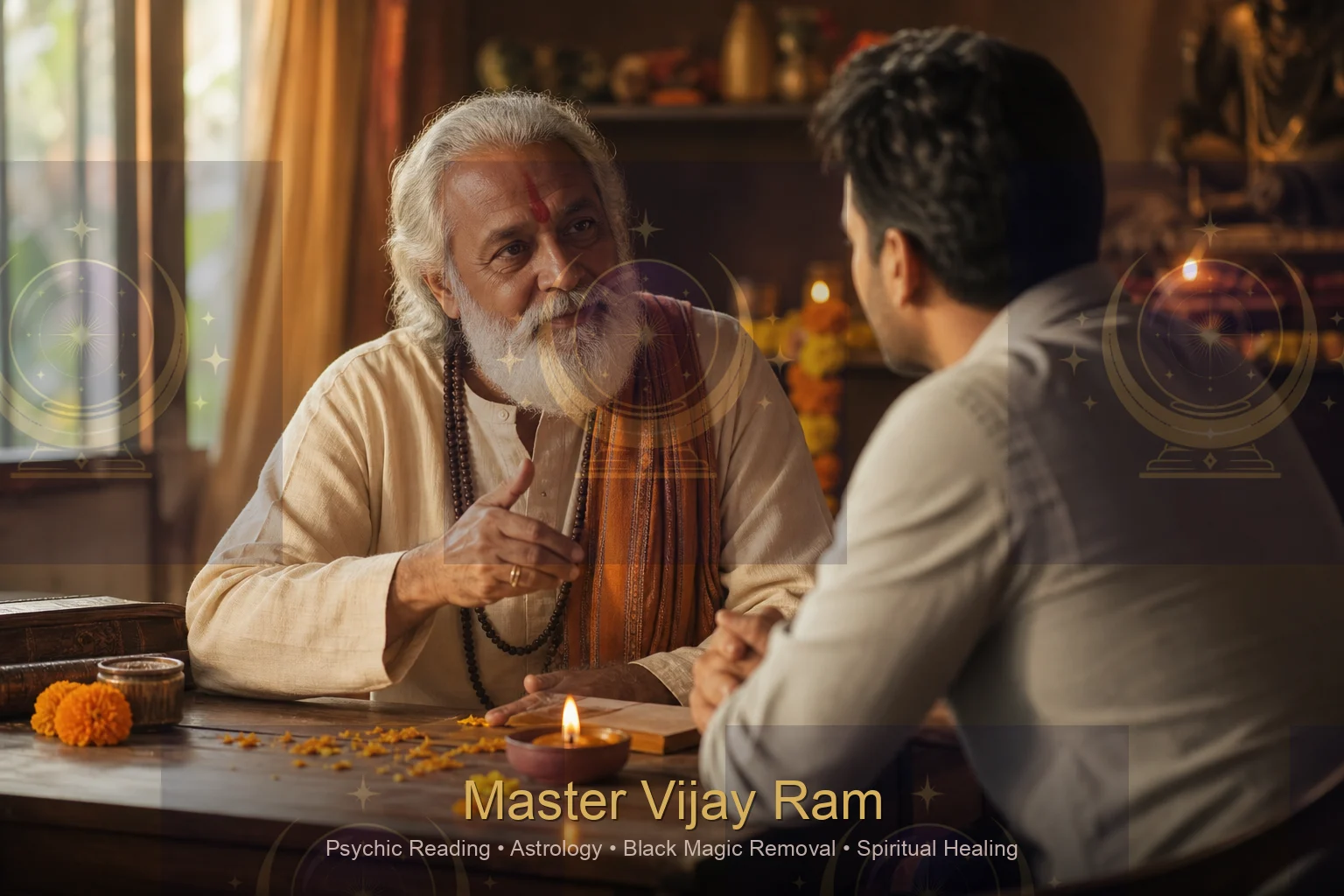
Master Vijay Ram leads the recitation, explains the meaning as it goes for those who do not follow the Awadhi, and arranges the prasad and the concluding aarti. Households that want to hold it themselves are taught how, since this is a recitation that belongs in the family rather than requiring a practitioner each time.
A clear, caring path
How a path is held
A path is arranged by choosing the occasion and an appropriate day, preparing the household, and reciting together before closing with aarti. It is held as a household gathering rather than performed for an audience.
Choose the occasion and day
What the path is for and when it is held — commonly a Tuesday or Saturday, or a date chosen by muhurta where the occasion allows.
Prepare the household
The space, the offerings and the prasad are arranged, and you are told who should attend and roughly how long the recitation will take.
Recite together, then aarti
The recitation is led with the meaning explained as it goes, the family joining throughout, and concluded with aarti and the distribution of prasad.
Do any of these sound familiar?
When households hold a path
A recitation families are encouraged to learn and hold themselves.
- You have moved into a new home
- A wedding or major family occasion is approaching
- A legal matter or dispute is ongoing
- The household has been unsettled and wants something collective
- Someone in the family is facing a difficult undertaking
- You hold one annually and want it led properly
Your questions, answered
Sunderkand & Hanuman Chalisa — your questions answered
Around two to three hours for the full recitation with aarti. The Hanuman Chalisa on its own takes only a few minutes, which is why so many households hold it as a daily practice rather than an occasion.
No. Master Vijay Ram explains the meaning as the recitation proceeds, which most families find is what makes it land. Younger family members in particular tend to engage once they know what is being described.
Yes, and you are encouraged to. This recitation belongs in the household, and families who want to hold it annually are taught the sequence, the pronunciation and the aarti so they do not need to call anyone.
Anything from an immediate family to an extended household and neighbours. The recitation works at either scale, and the preparation is adjusted to the number expected.
Yes. Households routinely bring in family abroad by video call, and the timing is set around time zones where that matters.