Families often ask for a havan without being entirely sure what one involves — how long it takes, what they need to buy, whether it can be done in a townhouse without setting off the smoke alarm. This is a plain description of the ceremony and the practicalities of holding one in a Canadian home.
What actually happens
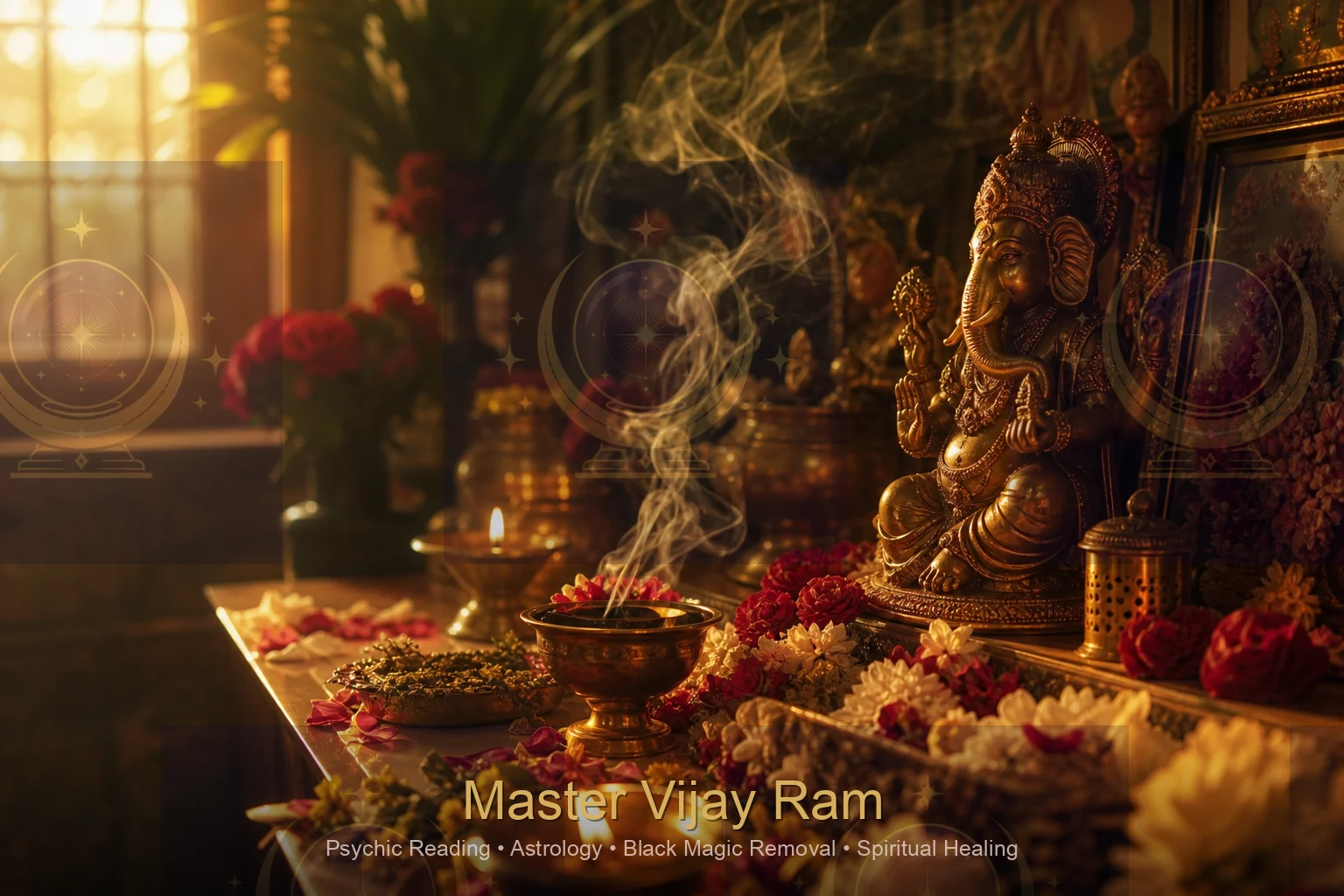
A fire is consecrated in a kund and offerings of ghee, grains, herbs and wood are made into it with mantra, each marked by the word svaha.
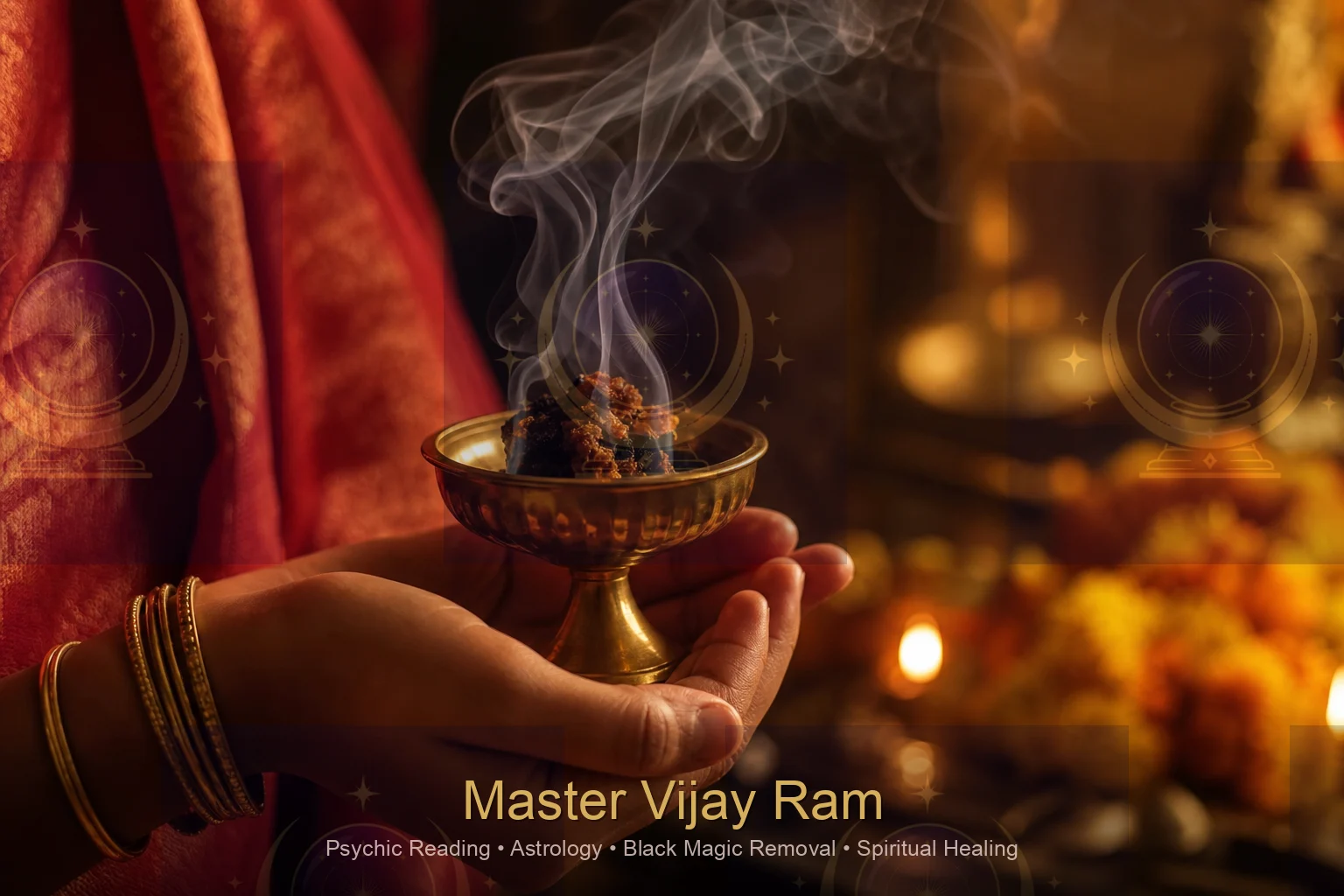
A fire is lit in a kund, a square fire vessel, and consecrated. From there the ceremony proceeds through a sequence of offerings — ghee, rice and grains, herbs, specific woods — each placed into the fire with a mantra, and each marked by the word svaha at the moment of offering.
In Vedic understanding, fire carries the offering and the intention. That idea sits at the centre of the tradition, which is why the havan appears in so many observances: it accompanies house blessings, marriages, planetary remedies, health prayers and the conclusion of larger recitations.
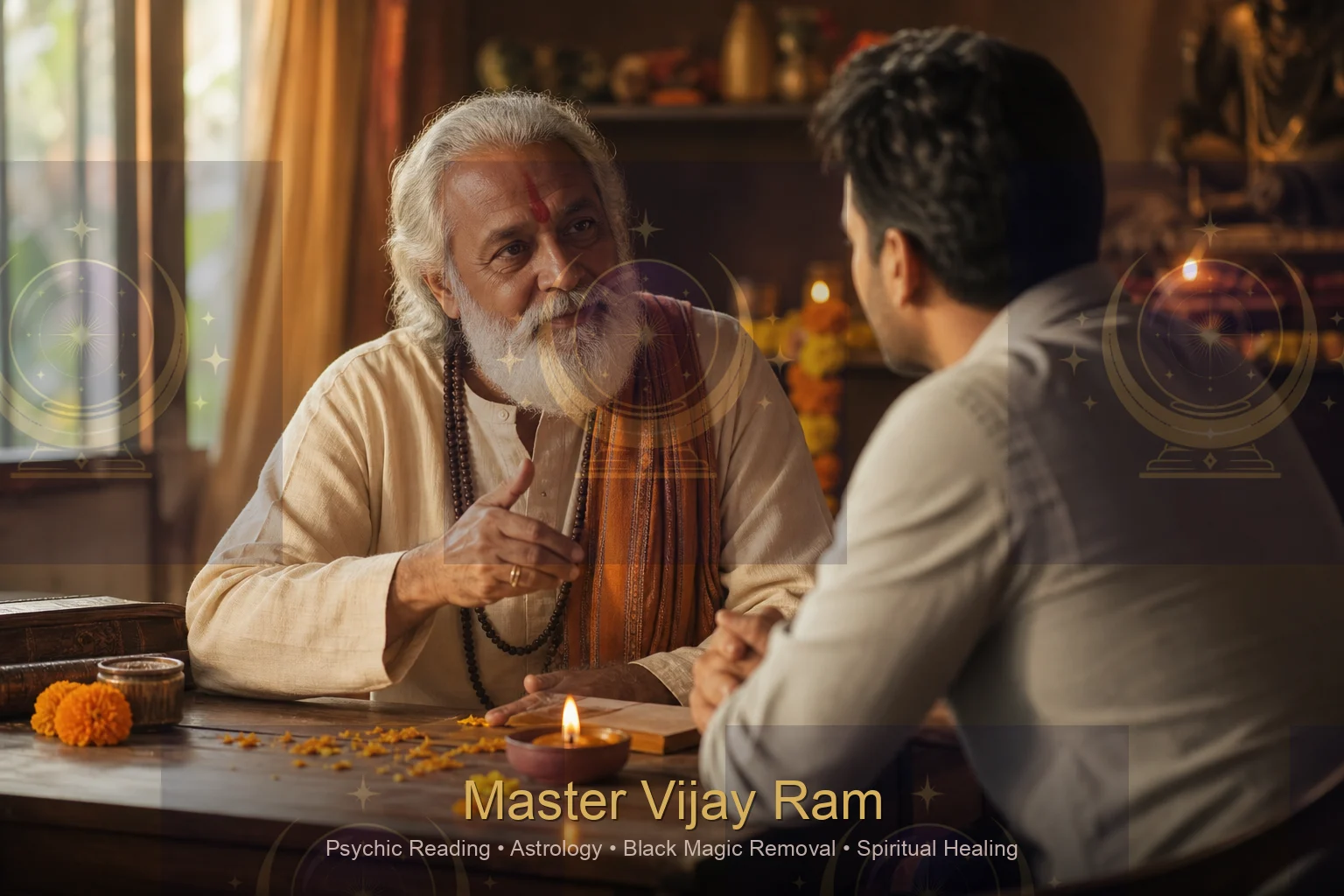
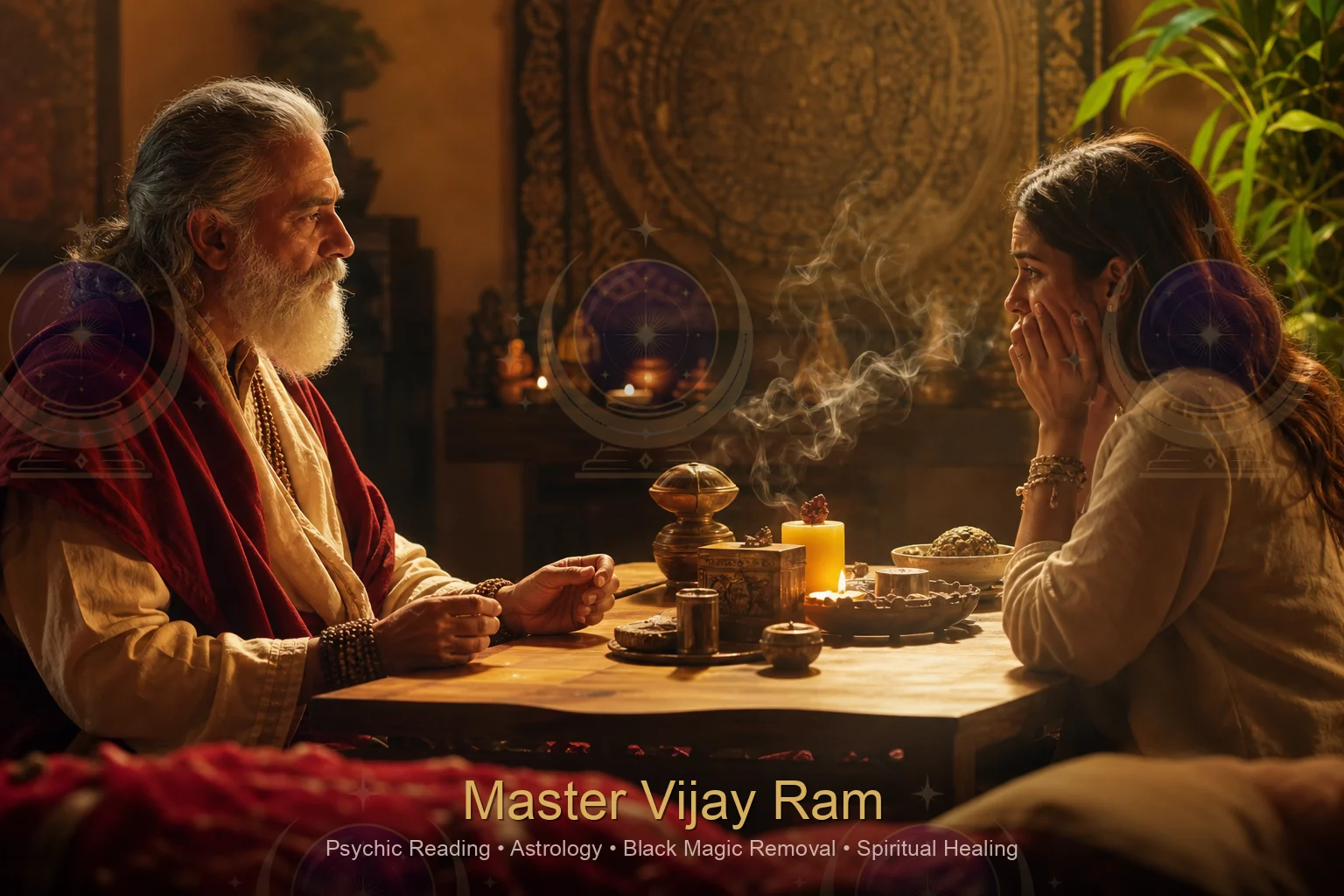
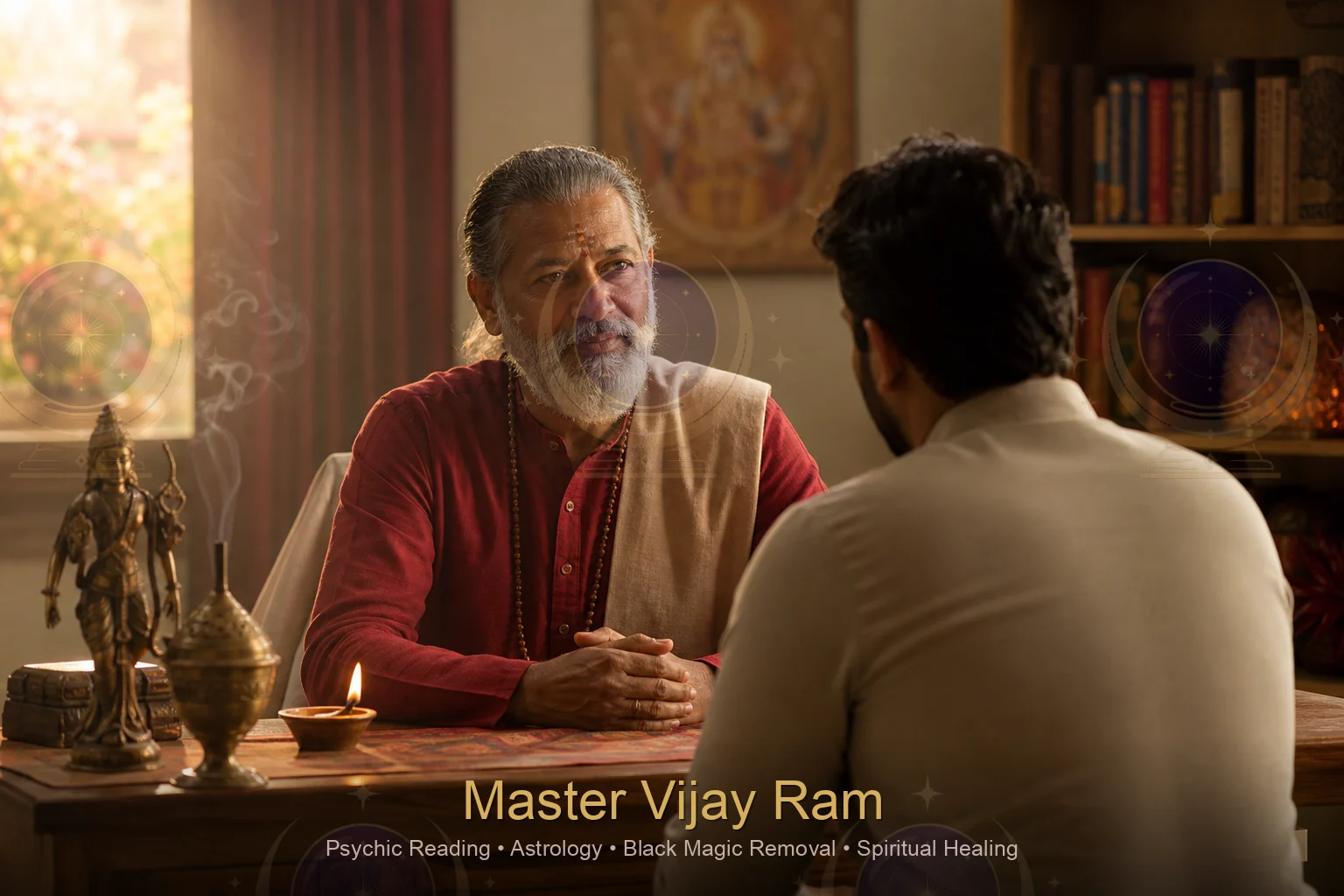
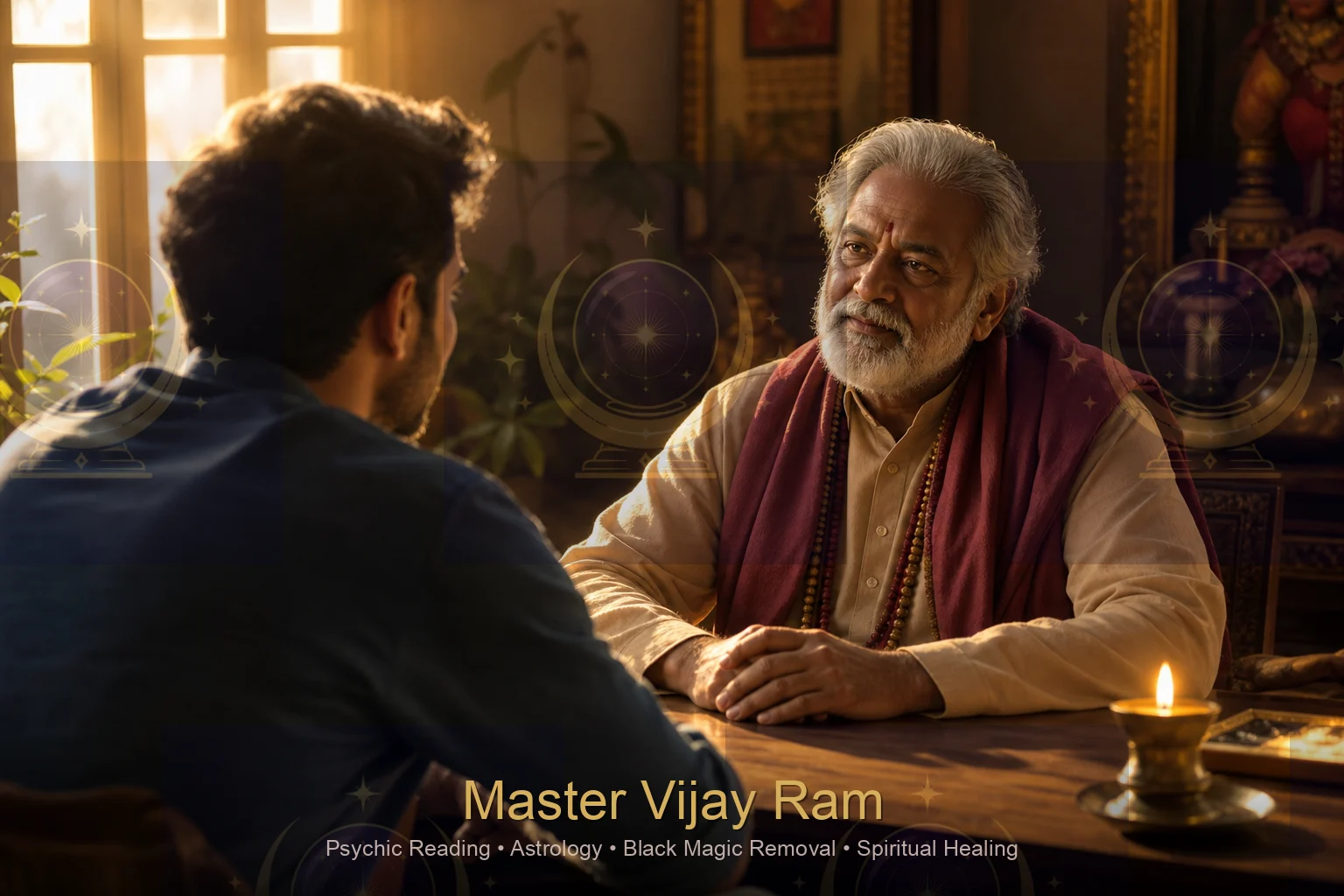
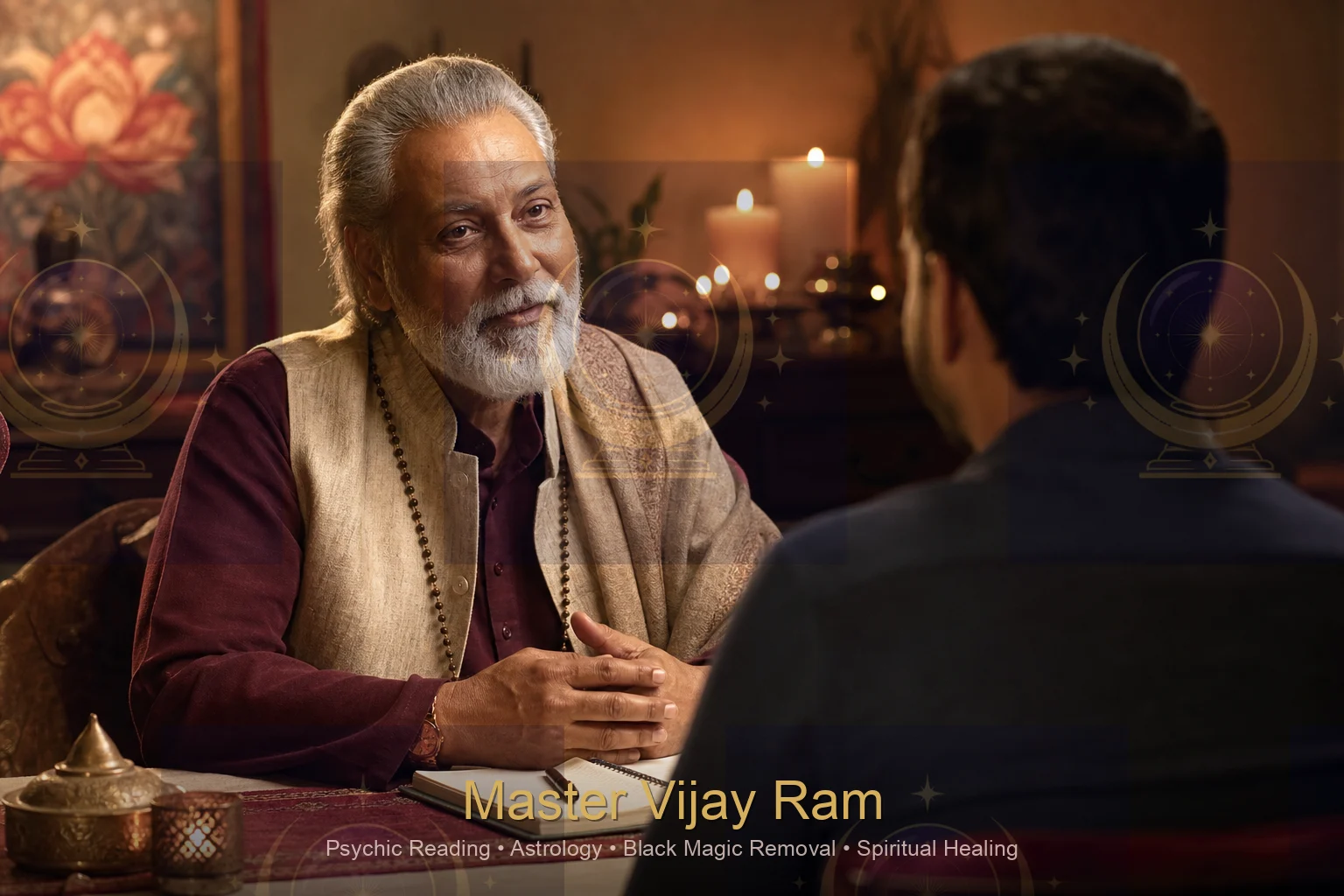
It is participatory. Family members sit at the kund and make the offerings themselves rather than watching someone else perform them, and Master Vijay Ram explains each stage as it happens so nobody is following along blindly.
When families ask for one
New home, after a bereavement or long illness, opening a business, completing a cleansing, or as a planetary remedy the chart calls for.
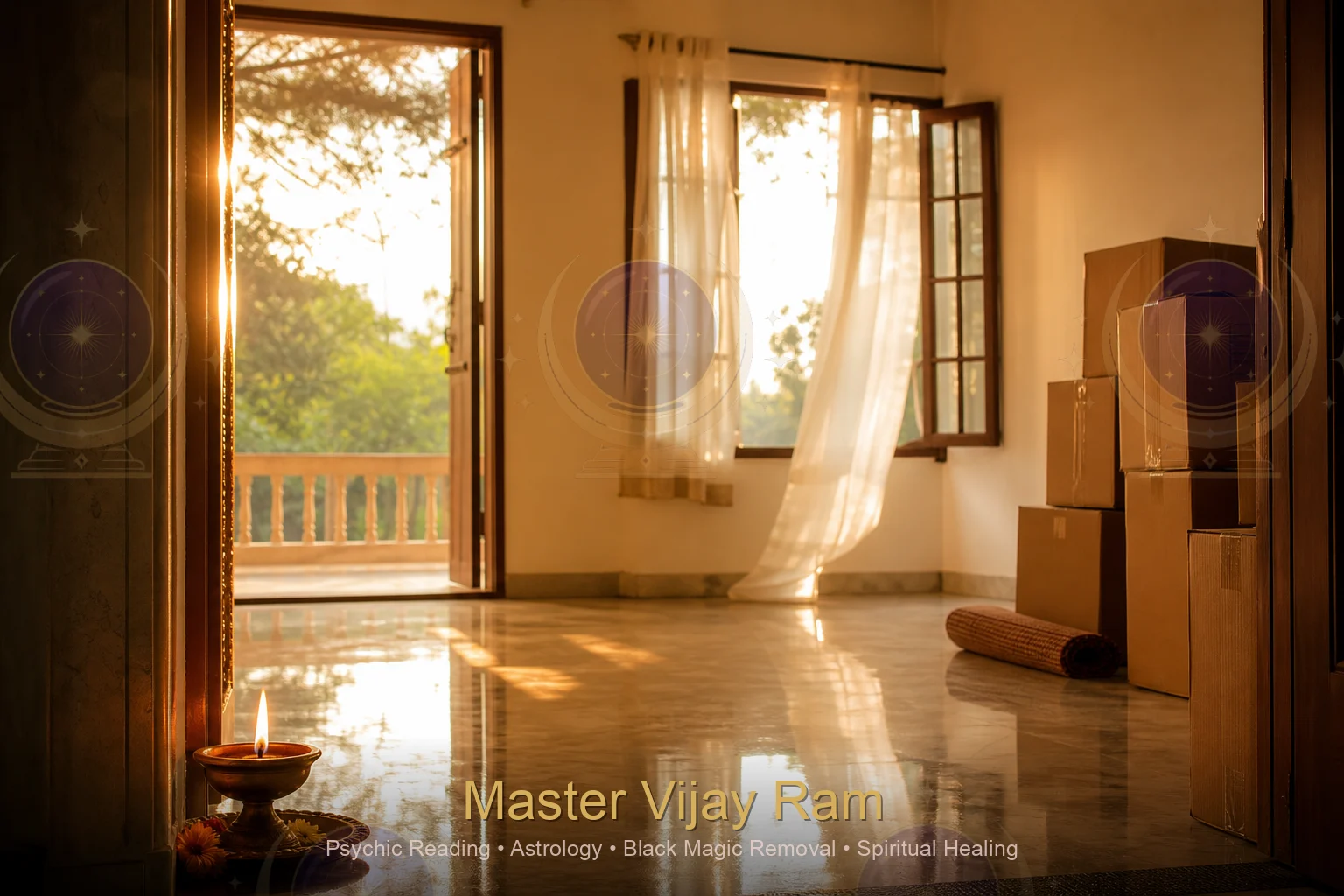
The occasions are recognisable and recur. Moving into a new home is the most common — a havan as part of the griha pravesh, before the family properly settles in. After a bereavement or a long illness in the house, to settle a household that has been through a difficult stretch.
Opening a business or new premises. Completing a cleansing, where clearing has been done and something is wanted to establish the ground afterwards. And as a planetary remedy, where a chart shows an affliction that traditional practice addresses this way — a Shani havan, a Navagraha havan.
Which mantras are recited and which offerings are used follow from the purpose. A havan for a new home is not the same ceremony as one for a family member who is unwell, and the difference is not cosmetic.
How long it takes and what you provide
One to three hours depending on purpose. The household provides ghee, grains, wood, flowers and fruit — a specific list is given in advance.
Duration depends on the purpose and the number of recitations. A straightforward house havan runs about an hour to ninety minutes. A ceremony with a substantial jaap attached, or a Navchandi havan, can run several hours or extend across more than one day.
You are given a specific list in advance of what to provide — typically ghee, rice and grains, wood, flowers, fruit and a few household items. Nothing on it is expensive or difficult to find locally; most of it comes from an ordinary grocery run plus a South Asian shop. Master Vijay Ram brings the specialised items and the kund.
You will also be told who should attend, how the space should be arranged, and roughly how the time will be structured, so the day can be planned rather than improvised.
Doing this in a Canadian home
Ventilation, smoke detectors and building rules are settled before a date is set. Apartments are often workable with a smaller kund.
This is the part families worry about and it is worth addressing directly rather than discovering on the day.
Smoke detectors are the practical constraint. Modern Canadian homes have sensitive interconnected alarms, and a havan produces real smoke. The arrangement is discussed in advance — which room, what ventilation is available, whether a smaller kund is appropriate, and in some cases whether a garage with the door open or a suitable outdoor space works better.
Apartments and condominiums add building rules and shared ventilation. Many are still workable with a smaller fire and good airflow; some genuinely are not, and in those cases an alternative arrangement is made rather than proceeding and causing a building evacuation.
None of this compromises the ceremony. Scale has always varied with circumstance, and a modest havan performed properly is not a lesser observance than a large one.
Choosing the day
Where the timing is flexible, an auspicious date is selected by muhurta. Where it is fixed, the ceremony is simply held then.
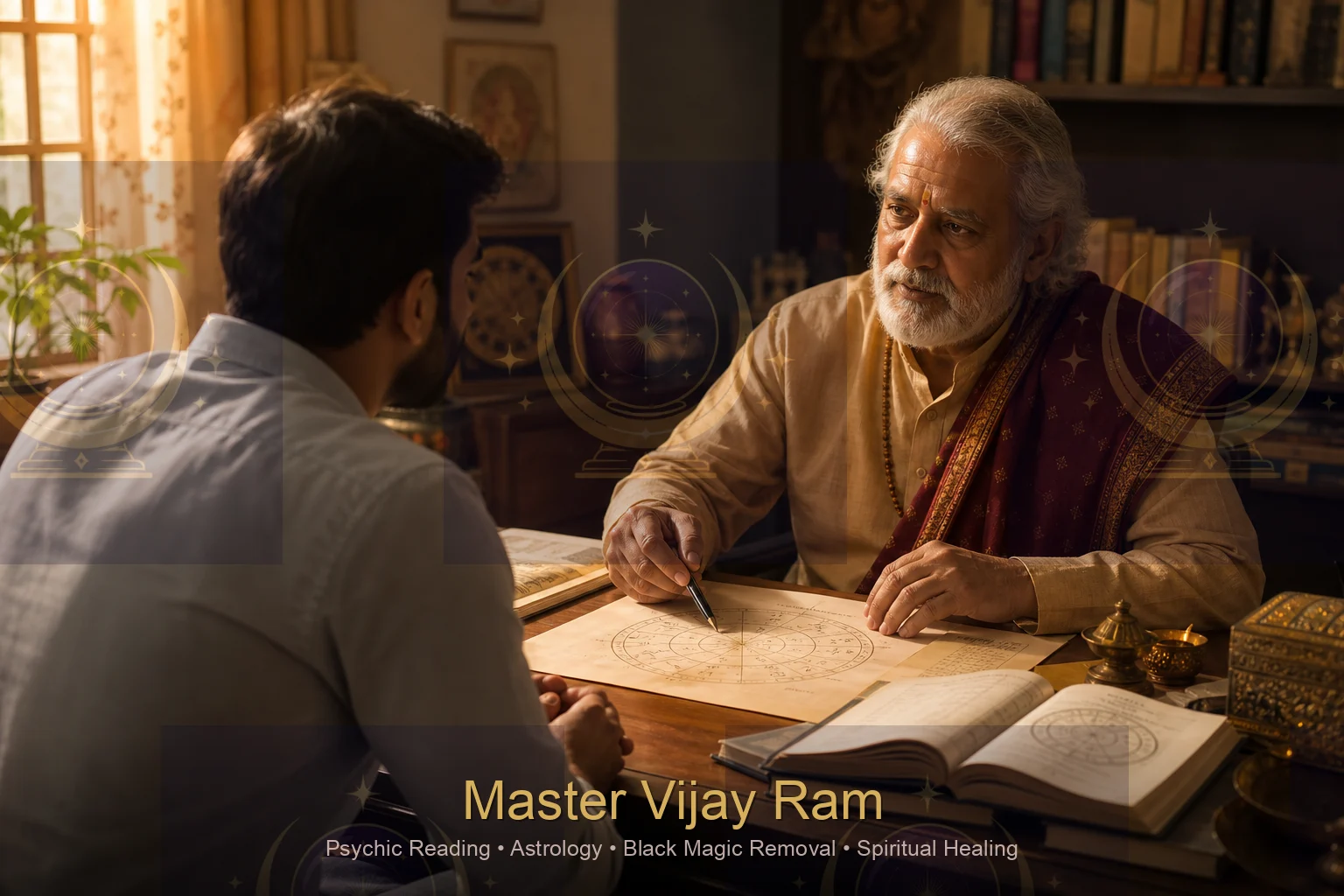
Where you have flexibility, the date is chosen by muhurta — the panchang is worked through for the candidate dates and checked against the charts of the people involved, since a date can be broadly auspicious and poor for a specific household.
Where the date is fixed — relatives travelling, a closing date on a house, a business opening already announced — the ceremony is held then. That is entirely normal and no apology is needed for it. Most families have constraints, and a havan held on a workable day is better than one postponed indefinitely waiting for a perfect one.
Give as much notice as you can. A few weeks allows a genuinely good date to be found; a few days limits the options, though short-notice requests are still accommodated where possible.
Serving nearby: Waterloo · Cambridge · Guelph · Brantford
Key takeaways
- A havan is a fire ceremony where offerings are made with mantra; the family participates directly
- Typically one to three hours, depending on the purpose and recitations involved
- You provide ghee, grains, wood, flowers and fruit — a specific list is given in advance
- Smoke detectors and building rules are settled before a date is set, not on the day
- Where timing is flexible, the date is chosen by muhurta against the household's charts
In closing
A havan is more straightforward than most families expect: a fire, a sequence of offerings, an hour or two, and a household taking part rather than watching. The practicalities of doing it in a Canadian home are entirely manageable as long as they are discussed in advance rather than on the day.